How to Know When Your Property Needs a Full Roof Replacement
A roof plays an essential role in protecting a property from rain, wind and changing weather conditions. Although individual problems can often be resolved through targeted roofing repairs, there comes a point when repeated fixes may no longer provide a reliable long-term solution. Recognising when a roof has reached the end of its useful life can help homeowners make informed decisions and prevent further deterioration.
For property owners in Flitwick, Bedfordshire, understanding the warning signs of an ageing or failing roof is particularly important. A professional assessment can establish whether localised repairs are sufficient or whether a full roof replacement would be the more suitable option.
When Is a Full Roof Replacement Necessary?
A full roof replacement may be necessary when the existing roof has widespread deterioration, structural weaknesses or several recurring problems across different sections. While a damaged tile or isolated leak does not automatically mean the entire roof needs replacing, multiple issues can indicate that the roofing system is no longer performing effectively.
The condition of the roof covering, underlay, battens, supporting structure and ventilation should all be considered. If several components have deteriorated together, replacing only the visible damaged sections may not address the underlying problems.
A qualified roofing specialist can inspect these elements and recommend the most appropriate course of action.
Frequent Roof Leaks and Recurring Water Damage
Occasional leaks may be caused by a specific defect, such as a slipped tile, damaged flashing or a problem around a chimney. These issues can often be repaired without replacing the entire roof.
However, repeated leaks in different locations may suggest more extensive deterioration. Water entering through several sections can indicate problems with the roof covering, underlay or other parts of the roofing system.
Look out for warning signs inside the property, including:
- Brown or yellow stains on ceilings.
- Damp patches around upper-floor walls.
- Peeling paint or bubbling plaster.
- Persistent damp smells in loft spaces.
- Signs of moisture around roof timbers.
If these problems continue despite previous repairs, a more comprehensive roof inspection may be needed.
Widespread or Deteriorating Roof Tiles
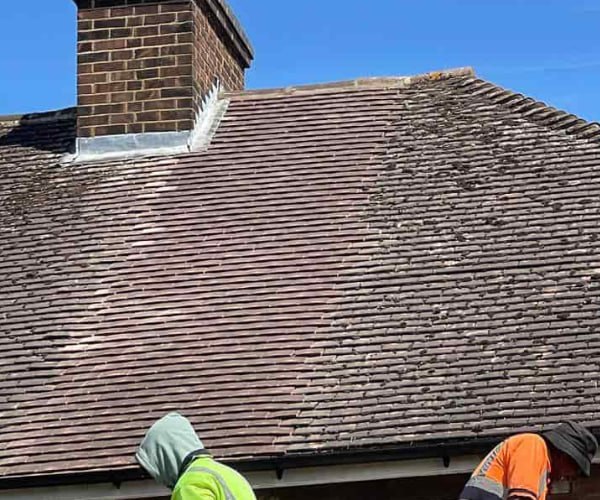
Roof tiles naturally experience wear as they are exposed to the elements. Individual cracked, loose or missing tiles can usually be replaced, but widespread deterioration may indicate that the roof covering is approaching the end of its serviceable life.
Look for repeated cracking, crumbling surfaces, loose sections and noticeable unevenness across the roof. If many tiles are showing similar signs of damage, replacing individual pieces may become less effective as a long-term solution.
The condition of the underlying battens and supporting materials should also be checked. A roof may appear reasonably sound from ground level while concealed components have already deteriorated.
Sagging Rooflines and Structural Concerns
A roofline should generally appear straight and consistent when viewed from the outside. Visible dips, uneven ridges or sagging sections can indicate problems with the supporting structure.
Potential causes include weakened roof timbers, prolonged moisture exposure or deterioration within the roof structure. These issues should never be dismissed as purely cosmetic, particularly if the shape of the roof has noticeably changed.
Structural concerns require professional assessment to establish the extent of the damage. Depending on the findings, substantial repairs or a complete roof replacement may be necessary.
An Ageing Roof with Increasing Maintenance Needs
The age of a roof is another factor to consider, although there is no single replacement age that applies to every property. Roof lifespan depends on the materials used, installation quality, maintenance history and exposure to weather.
An older roof that has required several repairs in recent years may be showing signs of general deterioration rather than isolated damage.
If tiles, flashing and other components are repeatedly developing problems, it may be worth assessing the condition of the entire roofing system. A professional inspection can help determine whether further repairs are likely to remain effective or whether replacement should be considered.
Damaged Underlay and Roof Battens
Roof coverings are only one part of a complete roofing system. Beneath the tiles or slates, underlay provides an additional layer of protection, while battens support the roof covering and help keep it securely positioned.
Over time, these materials can deteriorate, particularly if moisture has entered the roof space. Damaged or weakened battens may cause tiles to become loose, while failing underlay can reduce the roof’s ability to resist water penetration.
Because these components are often hidden, their condition may only become clear during a detailed inspection or when sections of the roof covering are lifted. If deterioration is widespread, a full replacement may provide a more dependable solution.
Why a Professional Roof Inspection Matters
Deciding whether to repair or replace a roof should never be based on appearance alone. Some problems are relatively straightforward to resolve, while others may indicate deeper issues that cannot be addressed through surface repairs.
A professional roofer can assess the visible covering, inspect accessible roof spaces and identify signs of damage affecting the underlying structure. This allows property owners to understand the condition of their roof and make decisions based on its actual requirements.
For homeowners in Flitwick, Bedfordshire, seeking advice from an experienced roofing specialist can help avoid unnecessary work while ensuring significant defects are not overlooked.
Conclusion
A full roof replacement may be necessary when leaks become recurring, roof coverings deteriorate across large areas, structural problems develop or hidden components begin to fail. Although individual repairs can resolve isolated defects, widespread deterioration often requires a more comprehensive approach.
If your property in Flitwick is showing signs of an ageing or failing roof, STW Roofing Flitwick can help assess its condition and advise on suitable roofing repairs or replacement work. Contact the team to discuss your requirements and arrange a professional assessment.
Call us on: 01525 659 598
Click here to find out more about STW Roofing Flitwick
Click here to complete our contact form and see how we can help with your roofing needs.