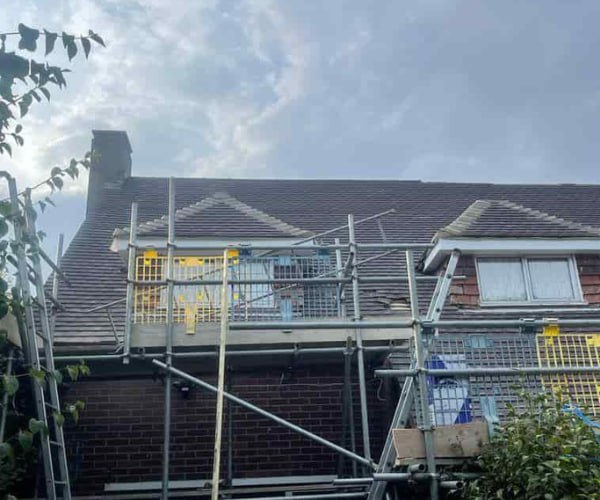
Missing or Slipped Roof Tiles: Warning Signs and Repair Solutions
Roof tiles play an essential role in protecting a property from rain, wind and changing weather conditions. When a tile becomes loose, slips out of position or falls away completely, it can leave the roof vulnerable to water penetration and further damage. Although the problem may initially appear minor, prompt attention can help prevent more extensive roofing issues.
For homeowners in Flitwick, Bedfordshire, recognising the warning signs of missing or slipped roof tiles is an important part of maintaining a sound roof. STW Roofing Flitwick provides professional roofing services to help identify tile damage, address underlying problems and restore the roof’s protective covering.
1. What Causes Roof Tiles to Slip or Go Missing?
Roof tiles can become displaced for several reasons. Exposure to strong winds and repeated changes in weather can gradually loosen tiles, particularly where fixings have deteriorated or the roof has already developed weaknesses.
Age and general wear can also affect the condition of tiles and their supporting components. Fixings may corrode, timber battens can deteriorate, and the mortar securing ridge or verge tiles may crack or loosen over time.
Other potential causes include accidental impact from falling branches and previous poor-quality repairs. Sometimes, one slipped tile is a sign of a wider problem rather than an isolated defect.
Identifying the cause is essential because simply putting a tile back into position may not provide a lasting solution if the supporting structure or fixings are damaged.
2. Warning Signs of Missing or Slipped Roof Tiles
Not all roof tile problems are immediately obvious from ground level. However, several signs can indicate that a roof needs professional attention.
Visible Gaps on the Roof
A missing tile may leave a noticeable gap in the roof covering. You might spot exposed sections of the roof, particularly after strong winds or periods of unsettled weather. Even a small gap can allow rainwater to reach the materials underneath.
Uneven Lines or Displaced Tiles
Roof tiles should generally form consistent, overlapping rows. Tiles that appear crooked, raised or out of alignment may have slipped from their original positions. These changes can indicate loose fixings or problems with the supporting battens.
Damp Patches on Ceilings
Brown stains, peeling paint or damp patches on an upstairs ceiling can sometimes indicate water entering through damaged roof tiles. However, roof leaks can have several causes, so a professional inspection is needed to identify the source accurately.
Debris Around the Property
Broken tile fragments or pieces of mortar on the ground may suggest damage to the roof. If you notice debris following strong winds, it is worth arranging an inspection rather than assuming the issue is limited to the fallen material.
3. Why Missing or Slipped Tiles Should Be Repaired Promptly
Roof tiles form an overlapping barrier that helps shed rainwater away from the roof structure. When this covering is compromised, water can reach the underlay, battens and other vulnerable components.
Continued moisture exposure may lead to damp insulation, damaged timber and internal water staining. A small defect can also worsen if surrounding tiles become loose or water repeatedly enters the same area.
Displaced tiles may create additional openings during windy weather, increasing the risk of further movement. Addressing the problem early helps protect the roof and makes it easier to identify any related deterioration before it spreads.
If you suspect roof damage in Flitwick, Bedfordshire, avoid climbing onto the roof to investigate. Roof work can be hazardous, and a ground-level inspection may not reveal the full extent of the problem.
4. How Professional Roof Tile Repairs Are Carried Out
The appropriate repair depends on the type of roof, the condition of the tiles and the reason they have moved.
Repositioning Slipped Tiles
If a tile is intact and its supporting components remain sound, it may be possible to reposition and secure it correctly. The roofer will also check the surrounding tiles to ensure they remain properly aligned.
Replacing Broken or Missing Tiles
Cracked, broken or missing tiles generally need to be replaced with suitable alternatives. Matching the tile type and dimensions helps maintain the roof’s appearance and ensures the replacement fits correctly within the existing covering.
Repairing Damaged Fixings and Battens
Where the problem results from deteriorated fixings or damaged battens, these components may need to be repaired or replaced. This helps address the underlying cause rather than simply correcting the visible symptom.
Checking Nearby Roofing Components
A thorough inspection should also consider ridge tiles, verge details, flashing and the condition of surrounding roof areas where relevant. Damage to these components can contribute to water ingress or further tile movement.
STW Roofing Flitwick can assess the condition of the roof and recommend suitable repairs based on the findings.
5. How to Reduce the Risk of Future Roof Tile Problems
Regular roof inspections can help identify early signs of wear before they develop into more serious defects. Checks are particularly worthwhile after periods of strong winds or severe weather.
Keep an eye out for visible changes to the roofline, damaged tiles and signs of water entering the property. Maintaining gutters and ensuring rainwater can drain away properly also helps protect the wider roofing system.
Where repairs have been completed, it is important to confirm that the original cause has been addressed. Secure fixings, sound supporting materials and properly fitted replacement tiles all contribute to the roof’s long-term performance.
Conclusion
Missing or slipped roof tiles should not be ignored, as even a small defect can expose the roof to rainwater and further deterioration. Recognising warning signs such as visible gaps, uneven tiles, damp patches and fallen debris can help you arrange repairs before the damage becomes more extensive.
For professional roof tile repairs in Flitwick, Bedfordshire, contact STW Roofing Flitwick. The team can inspect your roof, identify the cause of the problem and help restore its protective covering with appropriate repairs.
Call us on: 01525 659 598
Click here to find out more about STW Roofing Flitwick
Click here to complete our contact form and see how we can help with your roofing needs.